
There’s something magical about that first bite of perfectly cooked chicken that’s been kissed with fresh lemon and rich Romano cheese. Last spring, I found myself standing in my kitchen on a Wednesday evening, exhausted from work but craving something special. That’s when I threw together what would become my go-to Lemon Chicken Romano Recipe—a dish that transformed my tired weeknight into something memorable. The aroma alone pulled my husband away from his laptop, and within minutes, we were both savoring tender, golden chicken draped in a silky lemon sauce that somehow tasted like sunshine and comfort rolled into one. This wasn’t just dinner; it became our Wednesday tradition, proof that extraordinary meals don’t require hours of effort or fancy techniques.
The beauty of this Lemon Chicken Romano Recipe lies in its simplicity and the way fresh ingredients create layers of flavor without overwhelming your palate. Unlike heavy cream-based dishes that leave you feeling stuffed, this recipe balances brightness from citrus with the salty, nutty richness of Romano cheese. The result? A plate that feels indulgent yet light, sophisticated yet approachable—perfect for impressing dinner guests or just treating yourself after a long day.
Essential Ingredients for Success
Building this Lemon Chicken Romano Recipe starts with selecting quality chicken breasts—preferably ones that are uniform in thickness so they cook evenly. You’ll need about four boneless, skinless breasts, gently pounded to an even half-inch thickness. For the sauce, fresh lemon juice is non-negotiable; bottled just won’t deliver that vibrant, zingy flavor that makes this dish sing. Grab three lemons and plan to use both the juice and some zest for maximum citrus impact.
Romano cheese brings a sharper, more assertive flavor than Parmesan, though you could use either depending on what’s in your fridge. Fresh garlic—about four cloves, minced fine—adds aromatic depth, while a splash of dry white wine deglazes the pan and creates complexity in the sauce. Don’t skip the fresh parsley; it’s not just garnish but adds a verdant, peppery note that cuts through the richness. A good quality olive oil and chicken stock round out your pantry needs, along with flour for dredging and basic seasonings like salt and black pepper.
Preparing Your Chicken Properly
Pat your chicken breasts completely dry with paper towels—this step matters more than you’d think because moisture prevents proper browning. Season both sides generously with salt and freshly cracked black pepper, then lightly dredge in flour, shaking off any excess. The flour creates a delicate crust that helps the sauce cling to the meat while adding a subtle thickening element to your pan sauce later.
Heat two tablespoons of olive oil in a large skillet over medium-high heat until it shimmers but doesn’t smoke. Carefully lay the chicken breasts in the pan, making sure not to crowd them—work in batches if needed. Let them cook undisturbed for about five minutes until a golden crust forms, then flip and cook another four to five minutes. The internal temperature should reach 165°F, but don’t obsess over this; slightly undercooked is fine since the chicken will finish cooking in the sauce. Transfer the cooked chicken to a plate and tent with foil.

Crafting the Lemon Sauce
Using the same skillet (don’t clean it—those browned bits are flavor gold), reduce heat to medium and add another drizzle of olive oil if the pan looks dry. Toss in your minced garlic and sauté for just 30 seconds until fragrant but not browned. Pour in half a cup of white wine, using a wooden spoon to scrape up all those caramelized bits stuck to the pan. This technique, called deglazing, infuses your sauce with deep, savory notes you can’t get any other way.
Let the wine reduce by half—you’ll know it’s ready when the sharp alcohol smell mellows into something sweeter and more concentrated. Add one cup of chicken stock and bring to a gentle simmer. Squeeze in the juice of two lemons along with a teaspoon of lemon zest, stirring to combine. The sauce should taste bright and tangy with a savory backbone from the stock. Nestle your chicken breasts back into the pan, spooning sauce over them, and let everything simmer together for about three minutes so the flavors marry and the chicken finishes cooking through.
Finishing Touches
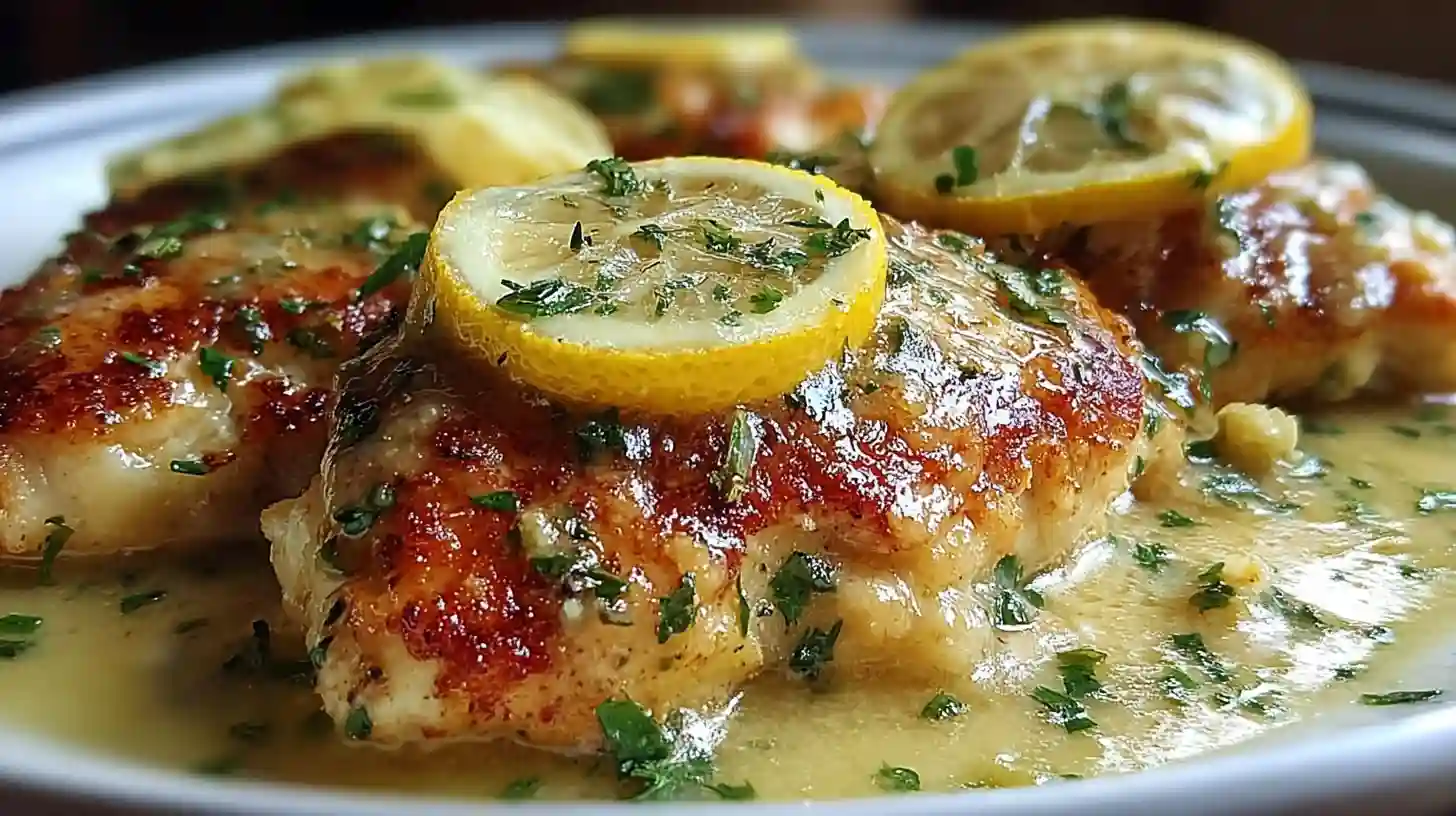
Remove the pan from heat and stir in half a cup of freshly grated Romano cheese, allowing it to melt into the sauce and create a luscious, silky texture. If your sauce seems too thick, splash in a bit more stock; too thin, let it simmer another minute or two. Taste and adjust seasoning—you might want more lemon juice for brightness, a pinch of salt, or a crack of pepper. Sprinkle chopped fresh parsley over everything just before serving for color and a fresh herbal note.
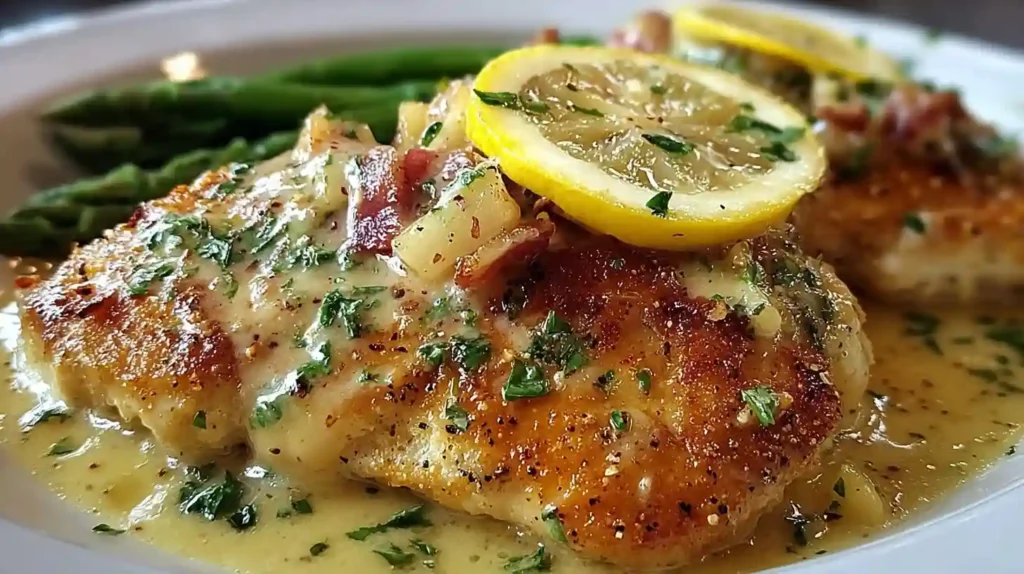
This Lemon Chicken Romano Recipe pairs beautifully with angel hair pasta tossed in a little of the pan sauce, roasted asparagus, or a simple arugula salad dressed with olive oil and lemon. The key is keeping sides light so the chicken remains the star. Serve immediately while the sauce is glossy and the chicken is hot—this dish loses some magic when reheated, though leftovers still make a decent lunch the next day.
Pro Tips for Perfect Results
- Use a meat mallet to pound chicken to even thickness—this prevents dry, overcooked edges
- Room temperature chicken cooks more evenly than cold-from-the-fridge breasts
- Don’t overcrowd your pan; proper searing requires space between pieces
- Fresh lemon juice makes all the difference—taste your lemons first as some are sweeter than others
- Grate cheese finely so it melts smoothly without clumping
- Keep heat at medium once you add the chicken back to prevent the sauce from breaking
Recipe Variations
Chicken Piccata Style
Add two tablespoons of capers to the sauce for a briny, Mediterranean twist that complements the lemon beautifully. Finish with a pat of butter for extra richness and glossy sheen.
Creamy Version
Stir in a quarter cup of heavy cream after adding the cheese for a richer, more luxurious sauce that coats the chicken like velvet. This variation is excellent for special occasions.
Herb-Crusted
Mix dried oregano and basil into your flour dredge for an Italian herb crust that adds complexity to each bite. Fresh thyme in the sauce works wonderfully too.
Spicy Kick
Add red pepper flakes to the garlic as it cooks, or finish with a drizzle of hot honey for sweet heat that plays against the tangy lemon.
Troubleshooting Common Issues
If your chicken turns out dry, you likely cooked it too long or at too high a temperature. Remember that carryover cooking continues even after you remove the pan from heat, so pull the chicken just before it hits 165°F. For sauce that’s too thin, create a slurry with a teaspoon of cornstarch and a tablespoon of cold water, then stir it into the simmering sauce. Conversely, if the sauce becomes too thick, thin it with splashes of stock or white wine until you reach the desired consistency.
When cheese clumps instead of melting smoothly, your pan was probably too hot. Always remove from heat before stirring in cheese, and use finely grated cheese for best results. If your sauce tastes flat, you need salt—don’t be shy, as salt awakens all the other flavors. A bitter sauce usually means you burned the garlic or reduced the lemon too much; start over with fresh garlic and add lemon juice at the end rather than cooking it down aggressively.
Smart Substitutions
No Romano cheese? Parmesan works perfectly well, offering a slightly milder, nuttier flavor. For a dairy-free version, skip the cheese and finish with nutritional yeast plus extra lemon zest for depth. Chicken thighs can replace breasts if you prefer darker meat—just adjust cooking time as thighs take a few minutes longer. White wine substitutions include vermouth, which adds herbal notes, or additional chicken stock with a splash of white wine vinegar for acidity.
If you’re avoiding gluten, dredge chicken in cornstarch or skip the dredging entirely—you’ll lose some crust but the dish still works beautifully. Olive oil can be swapped for butter if you want a richer, more French-style sauce, though the flavor profile shifts slightly. Fresh parsley isn’t essential, but if you don’t have it, try fresh basil for a different but equally delicious finish.
Storage and Serving
Store leftovers in an airtight container in the refrigerator for up to three days. The sauce will thicken as it cools, which is normal—just add a splash of stock when reheating to loosen it up. Reheat gently on the stovetop over low heat rather than microwaving, which can make the chicken rubbery. This dish doesn’t freeze particularly well because the sauce tends to separate upon thawing, though the chicken itself freezes fine if you freeze it without the sauce.
For meal prep, cook the chicken and store it separately from the sauce. Make fresh sauce when you’re ready to serve for the best texture and flavor. This Lemon Chicken Romano Recipe scales up easily for dinner parties—just work in batches and keep finished chicken warm in a low oven while you prepare the sauce in the same skillet for maximum flavor.
Frequently Asked Questions
Can I use chicken tenderloins instead of breasts?
Absolutely. Tenderloins cook faster—usually just three minutes per side—so watch them carefully. They’re perfect for this recipe since they’re naturally tender and cook evenly without pounding.
What if I don’t have white wine?
Use extra chicken stock plus a tablespoon of white wine vinegar or lemon juice for acidity. The sauce won’t have quite the same depth, but it’ll still be delicious.
How do I keep the cheese from getting grainy?
Always remove the pan from heat before adding cheese and use finely grated cheese that’s at room temperature. Stir gently and don’t reheat the sauce aggressively once cheese is added.
Can I make this ahead for a dinner party?
You can sear the chicken earlier in the day and keep it refrigerated, then finish it in the sauce just before serving. The sauce itself is best made fresh for optimal texture.
Why is my sauce watery?
You likely didn’t reduce the wine and stock enough. Let the liquid simmer until it’s reduced by about a third before adding the chicken back. The flour from dredging also helps thicken the sauce naturally.
What sides pair best with this recipe?
Light, simple sides work best—pasta, rice pilaf, roasted vegetables, or a crisp green salad. Avoid heavy, creamy sides that compete with the sauce.
Can I double the recipe?
Yes, but sear chicken in batches to avoid overcrowding. You can make the sauce in the same pan after all chicken is cooked, then return everything to the pan to finish together.

Lemon Chicken Romano Recipe
Ingredients
Equipment
Method
- Pat chicken breasts dry with paper towels and pound to even 1/2-inch thickness using a meat mallet. Season both sides generously with salt and pepper.
- Dredge seasoned chicken lightly in flour, shaking off excess. Heat 2 tablespoons olive oil in a large skillet over medium-high heat until shimmering.
- Add chicken breasts to hot pan without crowding. Cook undisturbed for 5 minutes until golden crust forms, then flip and cook 4-5 minutes more until internal temperature reaches 165°F. Transfer to a plate and tent with foil.
- Reduce heat to medium and add remaining tablespoon of olive oil to the same skillet. Add minced garlic and sauté 30 seconds until fragrant but not browned.
- Pour in white wine and use a wooden spoon to scrape up browned bits from the bottom of the pan. Let wine reduce by half, about 2-3 minutes.
- Add chicken stock, lemon juice, and lemon zest to the skillet. Bring to a gentle simmer and cook 2 minutes to concentrate flavors.
- Return chicken breasts to the pan, nestling them into the sauce. Spoon sauce over chicken and simmer 3 minutes to finish cooking and meld flavors.
- Remove pan from heat. Stir in freshly grated Romano cheese until melted and sauce becomes silky. Taste and adjust seasoning with additional salt, pepper, or lemon juice as needed.
- Sprinkle with chopped fresh parsley and serve immediately with your choice of pasta, rice, or vegetables. Spoon extra sauce over chicken at the table.