
There’s a certain magic to the sizzle of noodles hitting a hot wok, a sound that instantly transports me to bustling street markets and my favorite late-night Chinese takeout spots. This Cantonese Chow Mein recipe is my way of bottling that magic and bringing it into my own kitchen. It’s more than just a quick meal; it’s the satisfaction of creating those perfectly crispy, pan-fried noodles that are chewy on the inside and delightfully crunchy on the edges, all tangled in a sauce that’s the perfect balance of savory and slightly sweet. This isn’t just another noodle dish; it’s a celebration of texture and flavor, a true cornerstone of Homemade Chinese Takeout that never fails to comfort and impress.
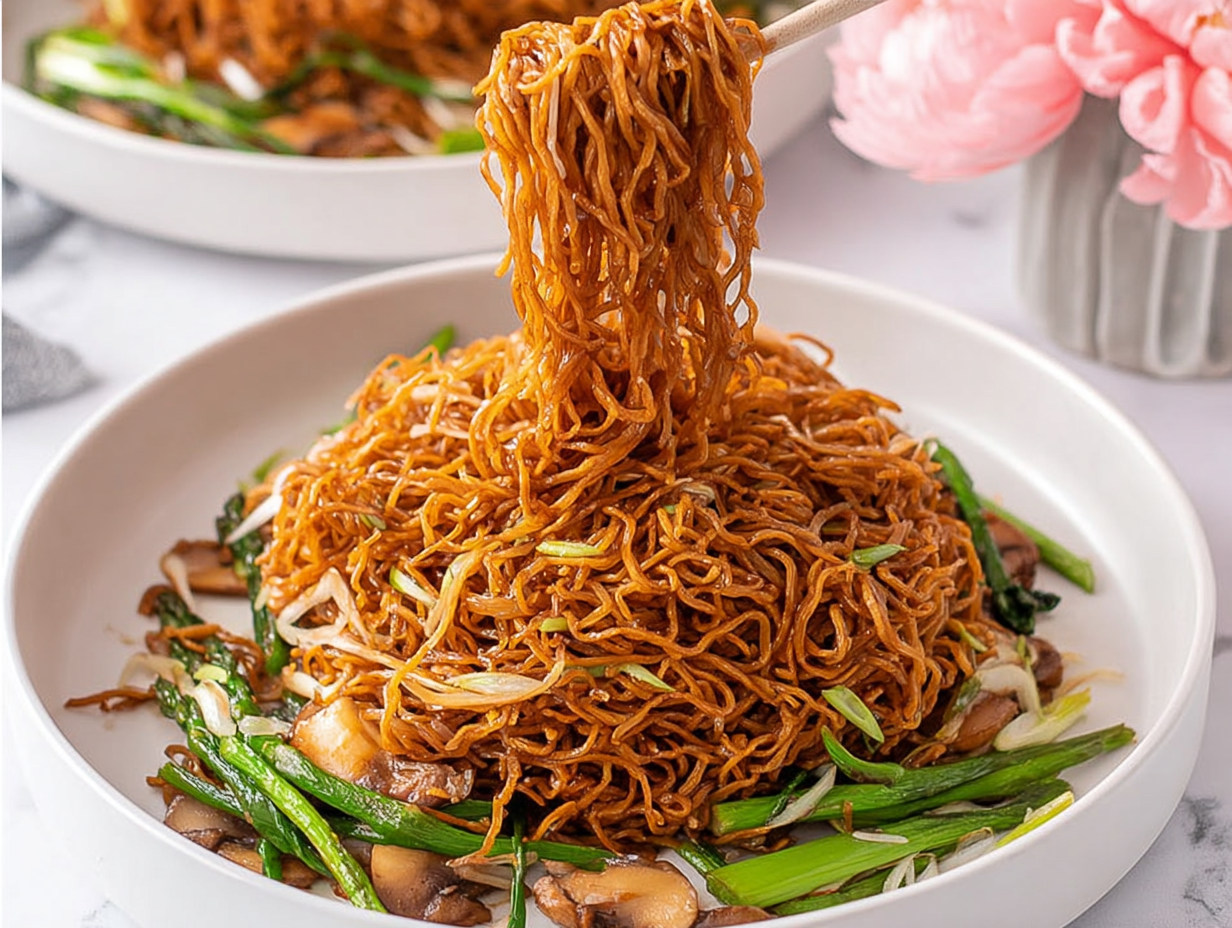
What I love most about this recipe is its incredible speed without sacrificing authenticity. In under 15 minutes, you can have a steaming plate of noodles that tastes like it came from a restaurant kitchen that’s been perfecting its craft for years. It’s one of those essential Chinese Meal Ideas that’s perfect for a busy weeknight when you’re craving something special but are short on time. The simplicity of the ingredients—crisp bean sprouts, fresh green onions, and that umami-packed sauce—comes together to create something truly spectacular. This is one of my go-to Easy Healthy Noodle Recipes because it’s light, satisfying, and easily adaptable. It proves that you don’t need a long list of ingredients to create deep, satisfying flavor.
Ingredients for The Perfect Cantonese Chow Mein
The beauty of this Cantonese Chow Mein lies in its simplicity. We’re using a handful of fresh, flavorful ingredients to create that signature restaurant taste right at home. The key is to get your hands on the right kind of noodles—thin, fresh egg noodles often labeled as “Hong Kong style” or “pan-frying noodles” are what will give you that iconic crispy-chewy texture. The sauce is a simple but powerful combination of pantry staples that delivers a huge punch of umami flavor. Don’t be tempted to skip the dark soy sauce; it’s essential for that beautiful color and rich, molasses-like sweetness that defines the dish. Having everything prepped and ready to go is crucial, as the cooking process moves very quickly. This is the foundation of so many great Noodle Dishes Asian cuisine has to offer.
- 12 oz chow mein egg noodles (thin fresh Hong-Kong style noodles are best)
- 1/2 small yellow onion, thinly sliced
- 5 stalks green onions, cut into 2-inch pieces (whites and greens divided)
- 2 cups fresh bean sprouts
- 3 tablespoons corn oil (or other neutral oil, divided)
- 1 teaspoon sesame oil (for finishing)
- 2 tablespoons dark soy sauce
- 1 tablespoon regular soy sauce
- 1 tablespoon oyster sauce
- 1/2 teaspoon fish sauce
- 1 tablespoon granulated sugar
- 1 tablespoon water
Step-by-Step Instructions
Making this dish is all about the technique, particularly how you handle the noodles. The goal is to create a sort of “noodle pancake” that’s crispy on the outside while the noodles in the middle remain soft and steamy. This process is the heart of a great Stir Fry Chow Mein. Follow these steps closely, and you’ll be rewarded with a texture that is simply addictive. Remember to work quickly once you start cooking, as stir-frying is a fast-paced dance. Have all your ingredients chopped, measured, and within arm’s reach before you even think about turning on the stove. This preparation makes the entire experience smooth and enjoyable, turning your kitchen into your very own takeout counter.
- Cook the Noodles: Start by preparing your noodles. Place the fresh egg noodles in a large bowl and pour boiling water over them. Let them soak for just 30 to 60 seconds, using chopsticks to gently separate the strands. You just want to soften them, not cook them through. Drain them completely in a colander and set aside.
- Make the Sauce: While the noodles drain, mix your sauce. In a small bowl, combine the dark soy sauce, regular soy sauce, oyster sauce, fish sauce, sugar, and water. Whisk everything together until the sugar is fully dissolved. This ensures the sauce will coat the noodles evenly.
- Sauté the Aromatics: Place a wok or a large, heavy-bottomed skillet over medium-high heat. Add one tablespoon of the corn oil and let it get hot until it shimmers. Add the sliced yellow onion and the white parts of the green onions. Sauté for about 1 minute until they’re fragrant and slightly softened. Remove them from the wok and set them aside for later.
- Pan-Fry the Noodles for Maximum Crispiness: Return the wok to medium-high heat and add another tablespoon of corn oil. Once it’s hot (about 2 minutes), add your drained noodles. Spread them out into a single, thin layer. Let them cook, undisturbed, for about 2 minutes to form a crispy, golden-brown crust on the bottom. Flip the entire noodle pancake over, add the final tablespoon of oil around the edges of the pan, and cook for another 2 minutes to crisp up the other side.
- Bring It All Together: Now it’s time to combine everything. Add the cooked onions, the green parts of the green onions, and the bean sprouts directly on top of the crispy noodles. Pour the prepared sauce all over everything. Gently toss and mix for 1-2 minutes until the vegetables are slightly wilted and the noodles are fully coated in that beautiful, glossy sauce.
- Serve Immediately: Remove the wok from the heat. Drizzle the sesame oil over the top and give it one final toss to combine. Serve the Cantonese Chow Mein immediately while it’s hot and the noodles are at their crispiest.
Tips for Restaurant-Quality Cantonese Chow Mein
There are a few small details that can elevate your homemade Cantonese Chow Mein from good to absolutely unforgettable. The most important tip is to ensure your noodles are as dry as possible after their initial soak. Wet noodles will steam instead of fry, preventing you from achieving that coveted crispy texture. After draining, I like to spread them on a paper towel-lined tray for a few minutes to let any excess moisture evaporate. Another key is to resist the urge to stir the noodles constantly while they are pan-frying. Leaving them undisturbed is what allows that beautiful, golden crust to form. This patience is what separates a decent noodle dish from a truly great one and is a fantastic technique for many Chinese Style Noodles.
Get Your Pan Screaming Hot
The secret to that authentic “wok hei” or “breath of the wok” flavor is high, consistent heat. Make sure your wok or skillet is fully preheated before you add the oil. You should see a slight shimmer in the oil before you add any ingredients. This intense heat sears the ingredients quickly, locking in their flavor and texture. This is especially important when pan-frying the noodles, as it helps create that crispy exterior without overcooking the inside. If your pan isn’t hot enough, the noodles will absorb too much oil and become greasy rather than crisp, which is a common pitfall in many Saucy Meals.
Why are my noodles not getting crispy?
If you’re struggling to get that perfect crunch, there are three likely culprits: too much moisture, not enough heat, or a crowded pan. First, ensure your noodles are well-drained and relatively dry before they hit the pan. Second, make sure your pan is very hot before adding the noodles. Finally, don’t overcrowd the pan. The noodles need to be in a thin, even layer with plenty of contact with the hot surface. If you’re doubling the recipe, it’s much better to fry the noodles in two separate batches than to cram them all in at once.
Easy Substitutions and Fun Variations
While this recipe is fantastic as a simple vegetarian dish, it also serves as a wonderful base for customization. Think of it as a canvas for whatever you have in your fridge. This adaptability is what makes it one of my favorite Different Supper Ideas. You can easily add protein or bulk it up with more vegetables to turn it into a complete one-pan meal. Don’t be afraid to experiment with the sauce, either. A little bit of chili garlic sauce can add a nice kick, or a splash of rice vinegar can brighten up the flavors. The key is to maintain the balance of savory, sweet, and umami that makes the original so delicious.
- Add Some Protein: For a heartier meal, add thinly sliced chicken, beef, or shrimp. Sauté the protein after the onions, cook it through, and set it aside. Add it back into the wok at the very end with the vegetables and sauce. For a plant-based option, pan-fried firm tofu or sautéed shiitake mushrooms are excellent additions and keep it in the family of No Meat Food Recipes.
- Vegetable Overload: Feel free to add other vegetables. Thinly sliced carrots, bell peppers, broccoli florets, or bok choy would all be delicious. Add heartier veggies like broccoli or carrots along with the onions to give them a bit more time to cook.
- Make it Vegetarian/Vegan: To make this dish fully vegetarian or vegan, simply swap the oyster sauce for a vegetarian mushroom-based “oyster” sauce, and omit the fish sauce. The flavor will still be incredibly rich and satisfying.
- If You Can’t Find Fresh Noodles: If you can’t find fresh Hong Kong-style noodles, you can use dried thin egg noodles. Cook them according to package directions, but make sure they are very al dente (slightly undercooked). Drain, rinse with cold water, and toss with a little oil to prevent sticking before pan-frying.
Cantonese Chow Mein: Your Questions Answered
Cooking a new dish, especially one that seems like a restaurant specialty, can bring up a few questions. Here are some of the most common queries I get about making Cantonese Chow Mein at home. My goal is to help you feel confident and excited to get in the kitchen and recreate this classic dish.
What is the difference between Cantonese Chow Mein and Lo Mein?
This is the most common question! The main difference is the preparation of the noodles. For Cantonese Chow Mein, the noodles are pan-fried until they are crispy on the outside. For Lo Mein, the noodles are boiled until soft and then simply tossed with the sauce and other ingredients. Think “fried” for chow mein and “tossed” for lo mein.
Can I make this recipe gluten-free?
Yes, you can make a gluten-free version, but it will require a few key swaps. You’ll need to use gluten-free tamari instead of soy sauce and a gluten-free oyster sauce. The biggest challenge is the noodles, as traditional egg noodles contain wheat. You could substitute with gluten-free rice noodles, but be aware that they won’t crisp up in the same way. The final dish will have a softer texture, more akin to a Pad See Ew.
How do I store and reheat leftovers?
Store any leftovers in an airtight container in the refrigerator for up to 3 days. The noodles will lose their crispiness upon refrigeration. The best way to reheat them is in a hot, lightly oiled wok or skillet over medium-high heat. Stir-fry for a few minutes until heated through. This method can help bring back a little of the original texture. While you can use a microwave, it will result in much softer noodles.
A New Weeknight Favorite: Cantonese Chow Mein
Mastering this Cantonese Chow Mein recipe feels like unlocking a secret. It’s the joy of realizing that the incredible flavors and textures you love from your favorite Chinese restaurant are completely achievable in your own kitchen, and in a fraction of the time it takes to order and wait for delivery. It has become a staple in my home for a reason; it’s fast, incredibly flavorful, and so much fun to make. The moment you flip that crispy noodle pancake and hear the sizzle as the sauce hits the pan is pure cooking satisfaction. This dish is a perfect example of how a few simple ingredients can be transformed into one of the most satisfying Noodle Dishes Asian cuisine has to offer.
I truly hope you give this recipe a try. It’s a wonderful way to dip your toes into the world of Homemade Chinese Takeout and build your confidence with wok cooking. Whether you keep it simple or load it up with your favorite protein and veggies, it’s a recipe that’s sure to end up in your regular rotation. Enjoy the process, savor that incredible crispy-chewy texture, and be proud of the delicious meal you created from scratch.
Cantonese Chow Mein
Ingredients
Equipment
Method
- Start by preparing your noodles. Place the fresh egg noodles in a large bowl and pour boiling water over them. Let them soak for just 30 to 60 seconds, using chopsticks to gently separate the strands. You just want to soften them, not cook them through. Drain them completely in a colander and set aside.
- While the noodles drain, mix your sauce. In a small bowl, combine the dark soy sauce, regular soy sauce, oyster sauce, fish sauce, sugar, and water. Whisk everything together until the sugar is fully dissolved. This ensures the sauce will coat the noodles evenly.
- Place a wok or a large, heavy-bottomed skillet over medium-high heat. Add one tablespoon of the corn oil and let it get hot until it shimmers. Add the sliced yellow onion and the white parts of the green onions. Sauté for about 1 minute until they’re fragrant and slightly softened. Remove them from the wok and set them aside for later.
- Return the wok to medium-high heat and add another tablespoon of corn oil. Once it’s hot (about 2 minutes), add your drained noodles. Spread them out into a single, thin layer. Let them cook, undisturbed, for about 2 minutes to form a crispy, golden-brown crust on the bottom. Flip the entire noodle pancake over, add the final tablespoon of oil around the edges of the pan, and cook for another 2 minutes to crisp up the other side.
- Now it’s time to combine everything. Add the cooked onions, the green parts of the green onions, and the bean sprouts directly on top of the crispy noodles. Pour the prepared sauce all over everything. Gently toss and mix for 1-2 minutes until the vegetables are slightly wilted and the noodles are fully coated in that beautiful, glossy sauce.
- Remove the wok from the heat. Drizzle the sesame oil over the top and give it one final toss to combine. Serve the Cantonese Chow Mein immediately while it’s hot and the noodles are at their crispiest.